






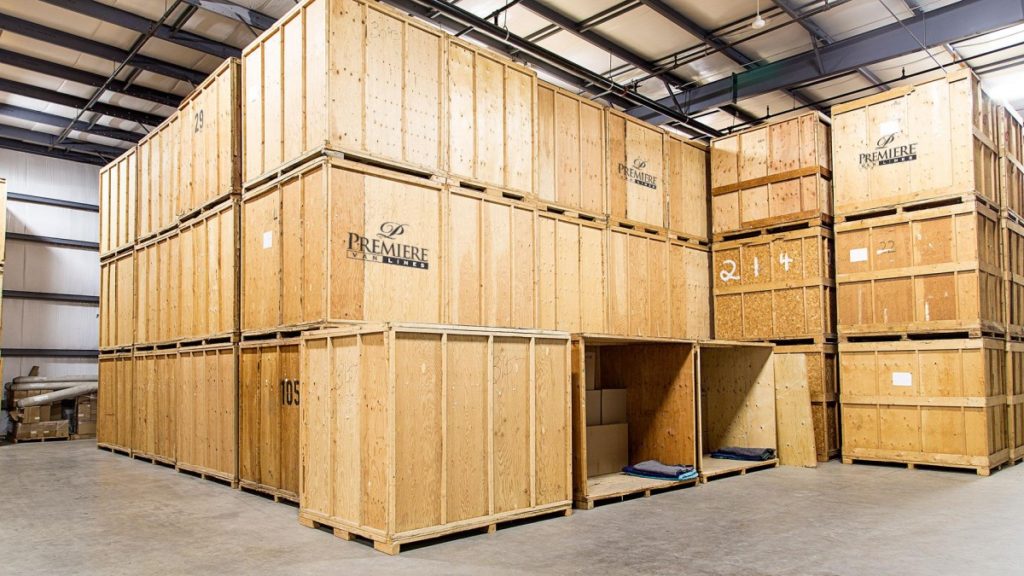
That depends on what you are storing and for how long. In Canada and North America, we have regional weather risks. From hot and humid to hot and dry, to damp and cold, or freezing and dry. Each season has weather- related risks for storing items.
Wood furniture contracts and expands based on the weather. Electronics are affected by humidity; paper documents can deteriorate beyond use if stored in non- climatized facilities.
Here is a comparison of climate-controlled vs. standard storage. Which one do you need?:
Storing Wood Furniture
Standard Storage
Warping, cracking, and misalignment of drawers.
Climatized Storage
No warping, cracking, or misalignment.
Storing Electronics
Standard Storage
Internal corrosion, rusting, and short-circuiting.
Climatized Storage
No corrosion, rusting, or short circuiting.
Storing Paper Documents
Standard Storage
Mold, mildew, deterioration, and cracking.
Climatized Storage
Controls moisture, keeps papers dry.
Storing Artwork
Standard Storage
Moisture, mold, mildew, and cracking
Climatized Storage
Controls moisture, keeps artwork dry, free of mold, mildew, and cracking.
Storage Costs
Climatized storage does cost more, but if you are storing items that are affected by heat, humidity, moisture, or cold, it is worth the extra cost. In addition, pests can cause damage, so ensure the storage facility has pest control.
For more information on climate-controlled vs. standard storage, which do you need, contact Premiere Van Lines. Premiere has climate -controlled, pest- controlled warehouses across Canada. In addition, as agents for Atlas Van Lines, Premiere has access to an additional 100 warehouses across Canada.