






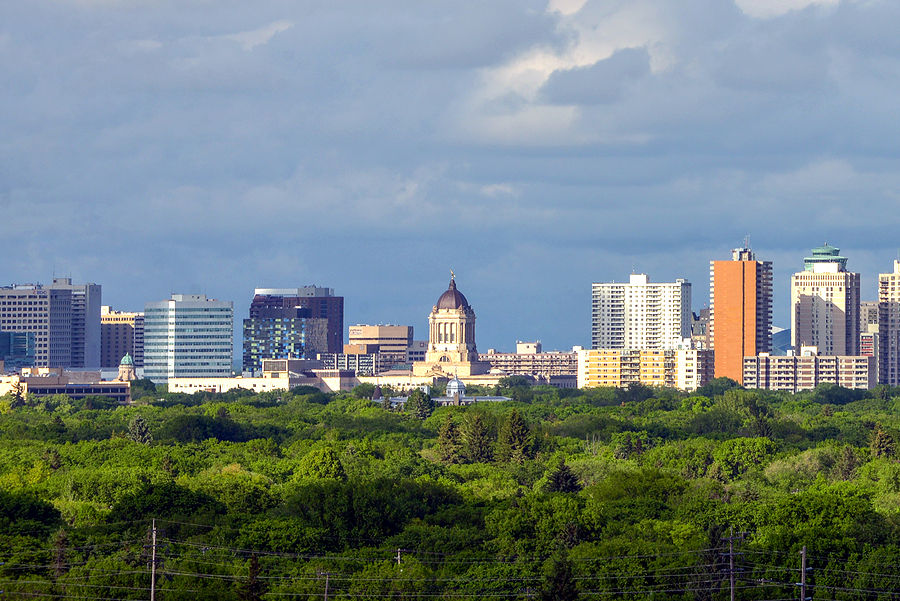
Relocating to a new city is always an adventure, and Winnipeg, the capital of Manitoba, offers its own unique blend of opportunities and challenges. If you’re considering making this city your new home and moving to Winnipeg, here are the essentials new residents need to know:
Jobs: Opportunities
Winnipeg’s economy is diverse, with thriving sectors in manufacturing, transportation, health care, education, and technology. The city is home to major employers like Canada Life, Bell MTS, and several government agencies. Health care and education are especially strong, with the Winnipeg Regional Health Authority and the University of Manitoba offering numerous positions.
The job market is competitive but accessible, especially for those with relevant experience or specialized skills. Job seekers should explore local job boards, LinkedIn, and resources like Manitoba Start, which helps newcomers connect with employment and training opportunities. Networking is important, so consider attending local industry events once you arrive.
Housing: Where to Live
Winnipeg offers a range of housing options, from downtown condos to family-friendly suburbs. Neighborhoods like River Heights, Osborne Village, and St. Boniface each have their own character and price points. Housing is generally more affordable than in many other major Canadian cities, though prices have risen in recent years. The median prices for single-family homes hover around $350,000 to $400,000.
Renting is common for new arrivals. Expect to pay between $1,000 and $1,400 for a one-bedroom apartment in central areas, with lower prices further from downtown.
Culture: Arts, Festivals, and Community
Winnipeg has a rich cultural history. The city boasts renowned institutions such as the Winnipeg Art Gallery and the Canadian Museum for Human Rights, as well as a vibrant performing arts scene. Annual festivals such as Folklorama and the Winnipeg Folk Festival celebrate the city’s multicultural spirit.
Foodies will enjoy an extensive culinary scene, with everything from classic diners to international cuisine. Winnipeg is also known for its tight-knit communities—many newcomers find it easy to connect through local organizations, faith groups, or volunteering.
Traffic and Transportation
Winnipeg is a car-friendly city, with most residents relying on personal vehicles for their daily commute. Traffic congestion is moderate compared to larger cities, but winter driving can be challenging due to snow and ice.
Winnipeg Transit operates public transit and offers extensive bus routes throughout the city. Cycling is also growing in popularity, with an expanding network of bike lanes and river trails.
Final Thoughts
Moving to Winnipeg means embracing prairie winters, a welcoming community, and a city that balances affordability with opportunity. For more information on moving to Winnipeg: what new residents need to know, and to get a moving quote, contact Premiere Van Lines.